

Understanding Acne Keloidalis Nuchae (AKN) and Its Link to Alopecia and Hair Loss
Gain insight into AKN, a specific type of folliculitis leading to hair loss. Discover its causes, symptoms, treatments, and how to prevent progression.
Medically reviewed by Dr. Nikki D. Hill, MD, FAAD. Last updated: October 2026.
Acne Keloidalis Nuchae (AKN), also known as acne keloidalis or folliculitis keloidalis, is a specific type of folliculitis, characterized by inflammation of hair follicles that can lead to scarring bumps and, in some cases, permanent alopecia or hair loss. This article explains AKN, its impact on hair loss and the factors that contribute to it.
AKN: An Overview
AKN primarily targets the posterior neck area, primarily in men, but it can also affect women. This condition is more prevalent among African Americans, although it can occur in individuals of Hispanic, Asian, and Caucasian descent to a lesser extent.
Initial Symptoms and Progression
AKN typically presents as itchy, inflamed bumps (folliculitis) and pustules along the posterior lower hairline or the back of the scalp. Over time, these bumps can transform into firm keloid scars, leading to the destruction of hair follicles. In chronic cases, the bumps can evolve into thick, keloid-like plaques, accompanied by surrounding crust, drainage, and discomfort.
Understanding the Causes
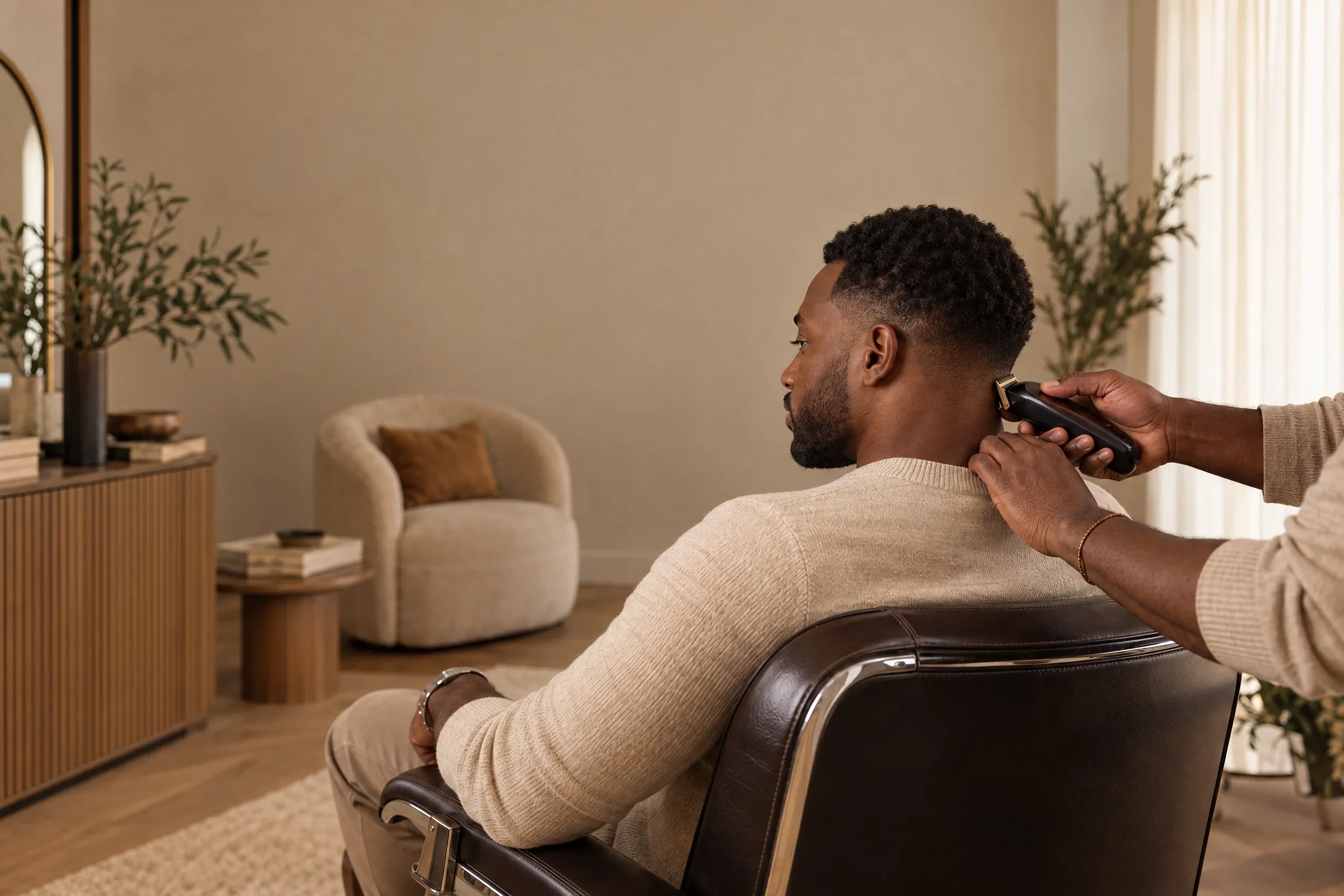
The exact cause of AKN is still under investigation, but there is evidence suggesting it is an inflammatory condition akin to acne. Trauma to the affected area is often implicated as a potential trigger. Trauma can manifest as a cut from clippers, ingrown hair, tight hair pulling, or exposure to heat. Earlier theories proposed that the condition could result from curly hairs growing into the skin due to being cut too far below the skin surface. There was also concern that improper equipment cleaning by barbers might introduce bacteria and organisms into the scalp. However, AKN can occur in individuals with straight hair and women who do not shave their scalps.
Debunking the Clipper Theory
The notion of contaminated clippers as the main cause is debunked by the lack of a consistent pattern. If dirty clippers were the culprit, everyone who had their hair cut on the same day would exhibit a similar scalp reaction. However, this is not the case, as AKN tends to affect specific individuals rather than an entire group.
Early Detection and Treatment
Early detection is crucial in preventing the progression of AKN and preserving hair follicles. Treatment aims to reduce inflammation, leading to smoother skin and hair regrowth. In cases of long-standing inflammation, hair regrowth may not be possible. AKN treatment options include intralesional steroid injections, oral anti-inflammatory medications, and topical steroid creams and solutions to alleviate symptoms and improve the appearance of affected areas. Mild cases can be managed with topical benzoyl peroxide wash and acne medications, while more advanced cases may require systemic treatment and surgical excision. It’s important to note that hair cannot regrow into areas where surgical excision is performed due to scar tissue, and new lesions may develop if inflammation persists.
Preventive Measures
Patients are advised to avoid irritation to the affected area during the acute treatment phase (1-3 weeks) and ensure they experience no discomfort or excessive heat during haircuts. For those who prefer not to have hair in the affected area, laser hair removal is an option to reduce potential triggers of inflammation (see laser hair removal safety across skin tones). Regular monitoring and follow-up are essential to halt the progression of the condition and maintain overall scalp health.
Conclusion
Understanding Acne Keloidalis Nuchae and its impact on hair loss is crucial for those dealing with this condition. Early intervention and appropriate treatment are key to managing AKN and mitigating the risk of alopecia. By following these recommendations, individuals can effectively address AKN and minimize the impact on their hair, promoting healthier, scar-free skin.
Questions about acne keloidalis nuchae? Schedule a visit at SOCAH Center in Atlanta, GA, or call (404) 474-2301.