
Laser Skin Resurfacing in Atlanta, GA: Erbium Resurfacing for Scars, Texture and Pigmentation With Minimal Downtime
- Treatment Time:
- 30 to 60 minutes
- Downtime:
- Typically 2 to 5 days
- Results Last:
- Long-lasting with upkeep
- FDA Status:
- FDA-cleared erbium lasers

Dermatologist-Supervised Lasers
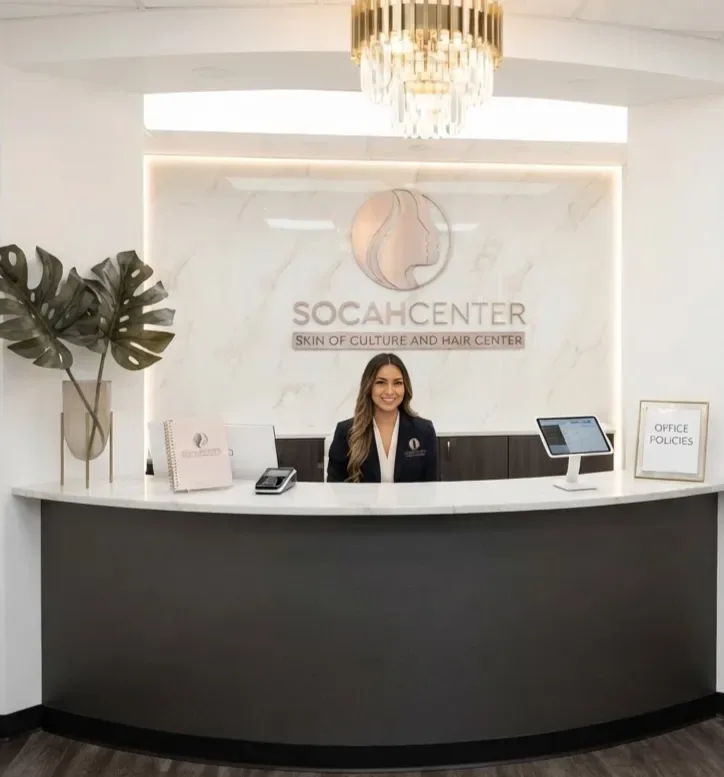
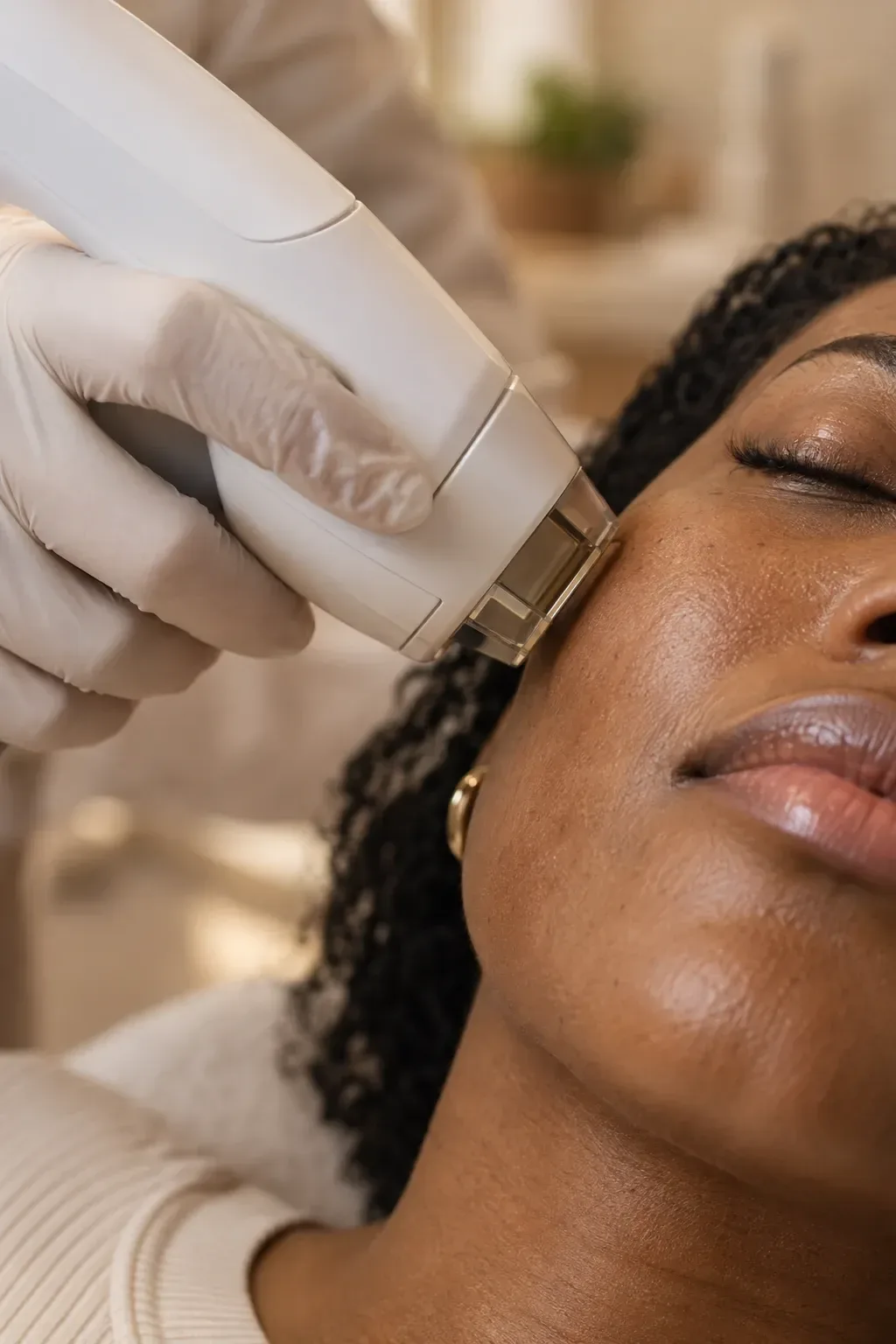
Laser skin resurfacing in Atlanta, GA at SOCAH Center uses an erbium laser to remove damaged skin so smoother skin can replace it. It treats acne scars, rough texture, fine lines and sun spots, with settings tuned to each skin tone.
Every resurfacing plan runs under the supervision of Dr. Nikki D. Hill, MD, FAAD, a board-certified dermatologist and Fellow of the American Academy of Dermatology who founded SOCAH Center in 2015. Treatments are performed by your laser specialist, a trained member of our team who follows the depth, density and skin preparation set in Dr. Hill's protocols. Erbium resurfacing is one of our laser treatments in Atlanta, and it often anchors a broader plan for scars and pigment.
Medically reviewed by Dr. Nikki D. Hill, MD, FAAD. Last updated: October 2026.
The Problem and the Plan
Laser Skin Resurfacing for Scars, Texture and Uneven Tone
When creams and facials stop short
Understanding Your Treatment
What Is Laser Skin Resurfacing?
Erbium energy and skin renewal
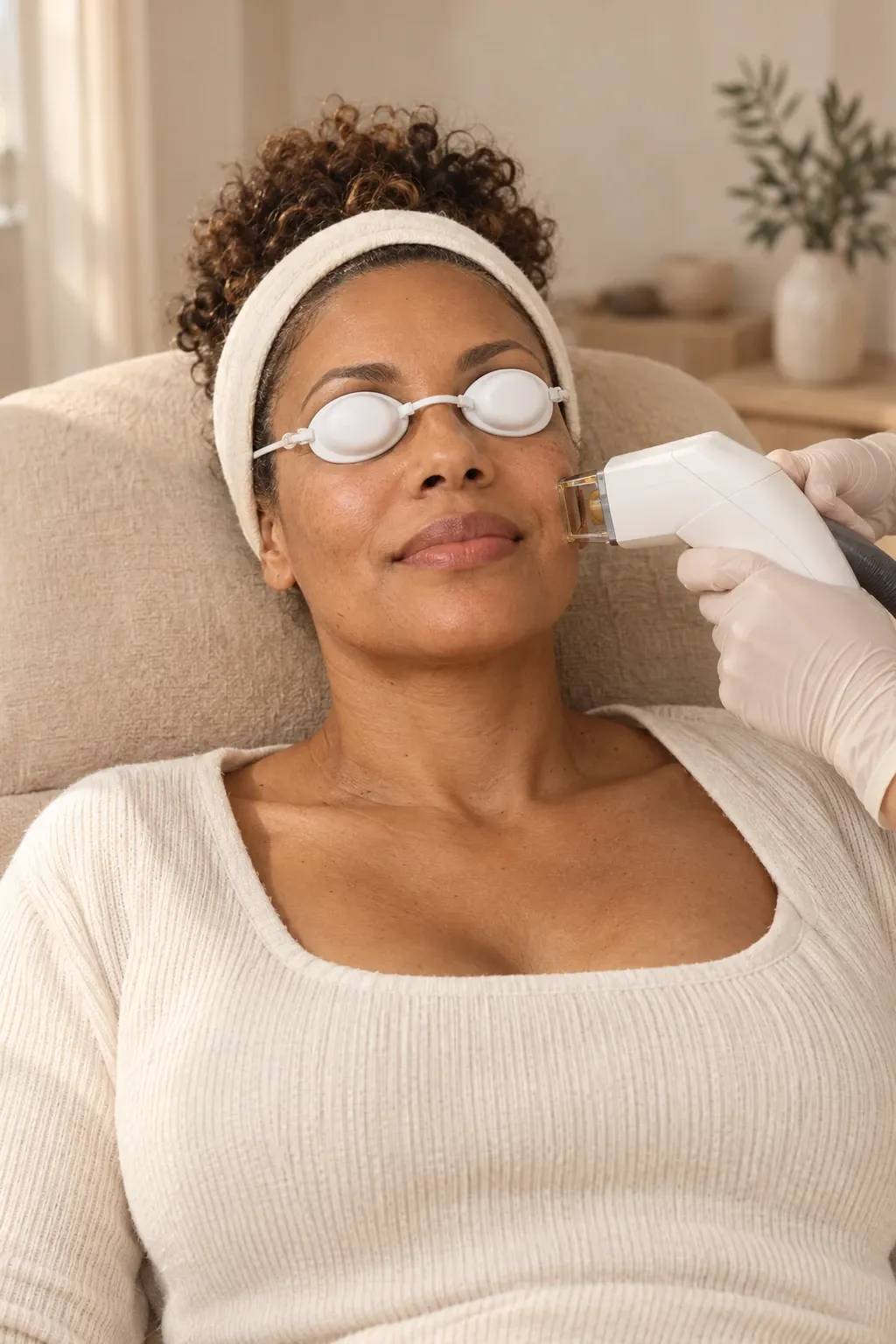
Laser skin resurfacing uses a 2,940 nm erbium:YAG laser to vaporize thin layers or tiny columns of skin with little heat spread. Erbium lasers are FDA-cleared for skin resurfacing and treat acne scars, texture, fine lines and sun damage. The American Academy of Dermatology guide to laser scar treatment explains where resurfacing fits.
Each pulse removes damaged skin while the skin around it stays intact, so healing begins quickly. Over the following months new collagen forms, and scars and texture soften gradually. Under numbing cream, most patients feel warmth and prickling.
Treatment Timeline:
- Session Time:
- 30 to 60 minutes
- Peeling:
- 2 to 5 days
- Sessions:
- Typically 3 to 5
- Full Effect:
- 3 to 6 months
Treatment Areas
What Laser Skin Resurfacing Treats
Scars, texture and tone
- Acne Scars
- Softens rolling and boxcar scars by rebuilding collagen beneath them
- Uneven Texture
- Smooths rough patches and refines enlarged, visible pores
- Sun and Age Spots
- Lifts sun-related pigment from the upper layers of the skin
- Fine Lines
- Softens fine lines around the eyes, mouth and forehead
- Crepey Neck Skin
- Improves thin, crepey texture on the neck and upper chest
- Healed Scars
- Blends the edges and texture of surgical or injury scars
Benefits of Erbium Laser Resurfacing
Why patients choose erbium
Erbium Laser Resurfacing vs Other Skin Renewal Treatments
Each option renews skin differently. Depth, downtime and skin-tone suitability are the biggest differences.
| Treatment | How It Works | Typical Downtime | Sessions | Best For | Pigment Risk | Results Build |
|---|---|---|---|---|---|---|
| Erbium Laser Resurfacing | Laser removes thin layers or microcolumns | 2 to 5 days (fractional) | 3 to 5 | Scars, texture, sun damage | Lower than CO2 with tuned settings | Over 3 to 6 months |
| Chemical Peel | Acid solution exfoliates surface layers | None to 7 days by depth | 3 to 6 | Dullness, mild pigment, acne marks | Low with superficial peels | Over several weeks |
| Microneedling | Fine needles trigger collagen repair | 1 to 2 days | 3 to 6 | Mild scars and texture | Low | Over 3 to 6 months |
| RF Microneedling | Needles deliver radiofrequency heat below the surface | 1 to 3 days | 3 to 4 | Acne scars and mild laxity | Low | Over 3 to 6 months |
| CO2 Laser Resurfacing | Ablative laser with more heat spread | 1 to 2 weeks or longer | 1 to 3 | Deep wrinkles, severe sun damage | Higher, needs careful selection | Over 3 to 6 months |



Candidacy and Safety
Who Is a Good Candidate for Laser Skin Resurfacing?
Planned around your skin tone
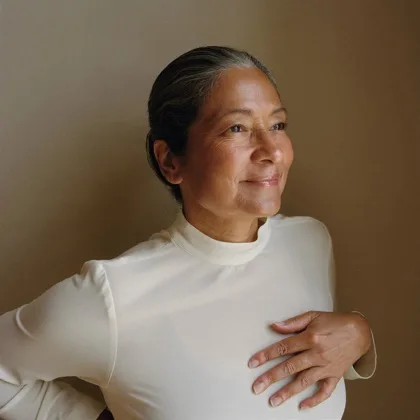
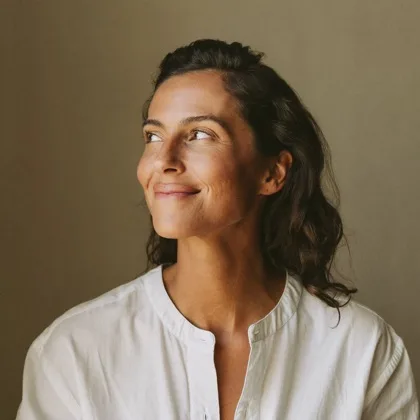
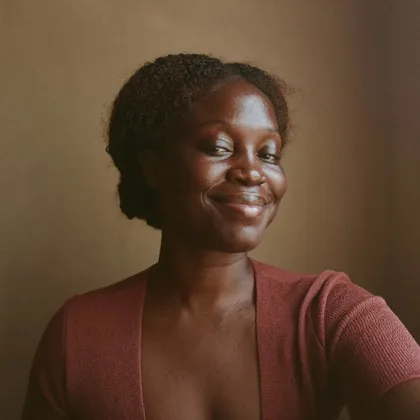
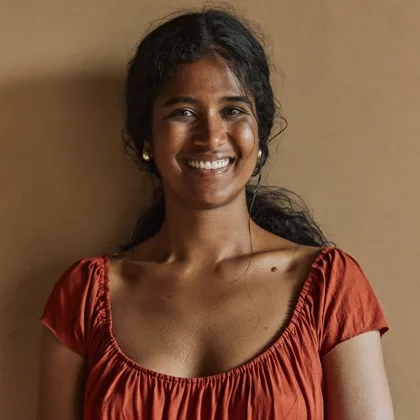
Erbium resurfacing suits adults who want smoother texture, softer acne scars or fewer sun and age spots and can plan for a few days of downtime. It also helps with fine lines and early wrinkles and crepey neck skin, where it can complement turkey neck treatment.
Laser Resurfacing and Skin Tone
Ideal Candidates for Laser Skin Resurfacing
- Adults of every skin tone with acne scars, rough texture or enlarged pores
- Patients with sun spots, uneven tone or early sun damage
- People with fine lines around the eyes, mouth or forehead
- Anyone who can avoid direct sun before and after treatment
Who Should Wait or Avoid Laser Skin Resurfacing
- Pregnancy or breastfeeding
- Active acne, infection or a cold sore outbreak in the area
- Recent isotretinoin use, until cleared by your provider
- A history of keloids or poor wound healing, until reviewed by Dr. Hill
- A fresh tan or sunburn
- Active melasma, which usually needs medical treatment first
Deeper scars often respond best to a combination plan, and RF microneedling for deeper acne scars pairs well with resurfacing. If you prefer no downtime, gentle Laser Genesis sessions are a softer start.
Your Visit
Laser Skin Resurfacing Treatment Overview
Step by step
Skin Preparation
Your laser specialist reviews your goals and may start a pigment-safe skincare routine weeks ahead.
Numbing
The area is cleansed and topical numbing cream is applied for comfort before the session begins.
Resurfacing
The erbium laser passes over the skin at settings matched to your skin tone, concern and area.
Recovery Plan
You leave with a gentle healing routine, strict sun protection steps and a follow-up date.
Laser Skin Resurfacing Side Effects and Safety
Honest risk information
Common, Short-Lived Effects
Redness, swelling, warmth, pinpoint bleeding and flaking are expected for several days. The skin may feel tight and look bronzed before it peels.
Less Common Risks
Post-inflammatory hyperpigmentation is the most common complication, particularly in deeper skin tones, and usually fades with skin care and sun protection over weeks to months. Cold sore flares, infection, acne flares, prolonged redness, lightening of the skin and, rarely, scarring can occur.
Precautions and Safety Information
An antiviral may be prescribed if you get cold sores. The FDA overview of medical lasers lists pain, infection, scarring and skin color changes among laser risks.
Cost
Laser Skin Resurfacing Cost in Atlanta
What shapes your investment
How Much Does Laser Skin Resurfacing Cost in Atlanta?
Laser skin resurfacing cost depends on the size of the treatment area, the depth of your scars or sun damage, and how many sessions your plan needs. Deeper skin tones may be treated with gentler settings over more visits. Exact pricing is reviewed with you at your consultation.
Insurance and Laser Skin Resurfacing
Resurfacing for texture, scars and sun damage is cosmetic, so it is self-pay and not billed to insurance.
Financing and Payment Options
CareCredit and Cherry let you spread the cost of a series over time. Review our payment and financing options to compare plans.
Why Choose SOCAH Center for Laser Skin Resurfacing in Atlanta, GA
Northlake area of Atlanta
Dr. Hill plans resurfacing as part of a dermatology treatment plan. Your skin is prepared beforehand to lower the risk of dark marks, and your laser specialist adjusts settings for your skin tone and concern.
Dermatologist Supervision
Protocols and complex cases reviewed by a board-certified dermatologist
Every Skin Tone
Conservative, tuned settings and skin prep that protect against dark marks
Scar and Pigment Focus
Acne scars, sun spots and texture treated by a dermatology team
Combination Plans
Resurfacing paired with skincare or microneedling when it helps
Erbium, Not CO2
Water-absorbed erbium energy chosen for safer results in deeper skin tones
Test Spot When Needed
A test spot is placed whenever there is any doubt about how skin will respond

Related Treatment
Laser Hair Removal
Smoother skin and fewer ingrown hairs, with laser settings chosen for your skin and hair.
- Fewer Ingrowns
- Calmer Skin
- Lasting Reduction
Laser Genesis
A warm, comfortable laser that refines tone and texture for every skin tone, with no downtime.
- No Downtime
- Natural Collagen
- Calmer Tone
Laser Vein Treatment
Precise laser care that fades visible veins and redness without needles or surgery.
- No Needles
- Quick Sessions
- Few Sessions
Laser Skin Resurfacing FAQ
How much does laser skin resurfacing cost in Atlanta?
How long is the downtime after erbium resurfacing?
Does laser skin resurfacing hurt?
How many sessions will I need?
When will I see results?
Is laser skin resurfacing safe for every skin tone?
How is erbium resurfacing different from CO2 resurfacing?
Can men get laser skin resurfacing?
How long do results last?
How should I prepare for laser skin resurfacing?
Schedule Your Laser Skin Resurfacing Consultation
References
- Pozner et al., Clin Plast Surg. (2016). Laser Resurfacing: Full Field and Fractional. PMID: 27363765.
- Alexiades-Armenakas et al., J Drugs Dermatol. (2012). Fractional laser skin resurfacing. PMID: 23135075.
- Chwalek et al., Curr Probl Dermatol. (2011). Ablative skin resurfacing. PMID: 21865797.
- Freedman et al., Facial Plast Surg. (2014). Histologic effects of resurfacing lasers. PMID: 24488636.
- Paasch et al., Expert Rev Med Devices. (2011). Laser systems for ablative fractional resurfacing. PMID: 21158542.
- Carniol et al., JAMA Facial Plast Surg. (2015). Current Status of Fractional Laser Resurfacing. PMID: 26133312.