

Skin Rash Evaluation in Atlanta, GA: Finding the Cause With Patch Testing, Not Just Treating the Symptom
- Treatment Time:
- 3 visits over one week
- Downtime:
- None (keep back dry)
- Results Last:
- Allergen list for life
- Test Type:
- Standardized allergen panel

Find the Cause
Skin rash evaluation in Atlanta, GA at SOCAH Center finds out why your skin keeps flaring instead of only calming each rash. Patch testing pinpoints allergens, and the same visit can test for eczema, fungal infection or psoriasis.
Rash workups at SOCAH Center are directed by Dr. Nikki D. Hill, MD, FAAD, a board-certified dermatologist and Fellow of the American Academy of Dermatology. Her approach is simple: find the cause before treating the symptom. As part of our Atlanta medical dermatology practice, our team evaluates rashes in babies, children, teens and adults, and builds a plan that fits your skin, your products and your daily routine.
Medically reviewed by Dr. Nikki D. Hill, MD, FAAD. Last updated: October 2026.
The Challenge
When a Rash Keeps Coming Back, Patch Testing Finds Why
Understanding Contact Dermatitis
A rash that clears with a steroid cream and returns two weeks later is exhausting. The itch interrupts sleep, red or darkened patches show on your hands, face, eyelids or scalp, and you may have already switched soaps, detergents and makeup without a clear answer. Because allergic reactions can appear one to three days after contact, the real trigger is easy to miss. Guessing often means avoiding products you do not need to give up while keeping the one that causes the problem.
A skin rash evaluation replaces guesswork with evidence. Your provider studies the pattern and location of the rash, reviews every product and exposure, and runs the right tests, from patch testing to a scraping or biopsy. When patch testing shows an allergen, you receive its name, the other names it hides under on labels, and a list of safe alternatives. Once the trigger is gone, many patients need far less medicine, and the skin finally has a chance to heal.
Understanding Your Test
What Is Patch Testing?
How Delayed Allergies Are Detected
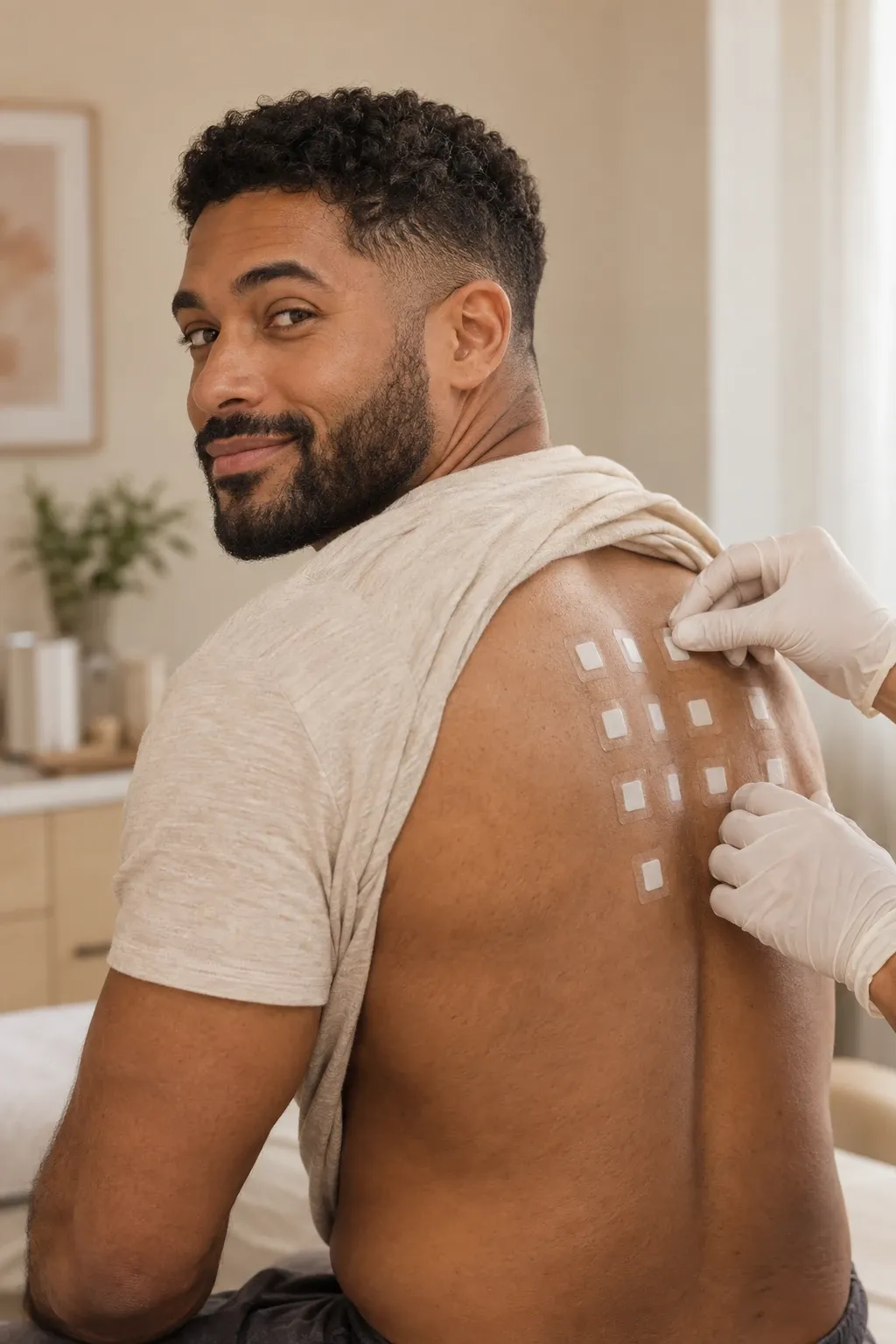
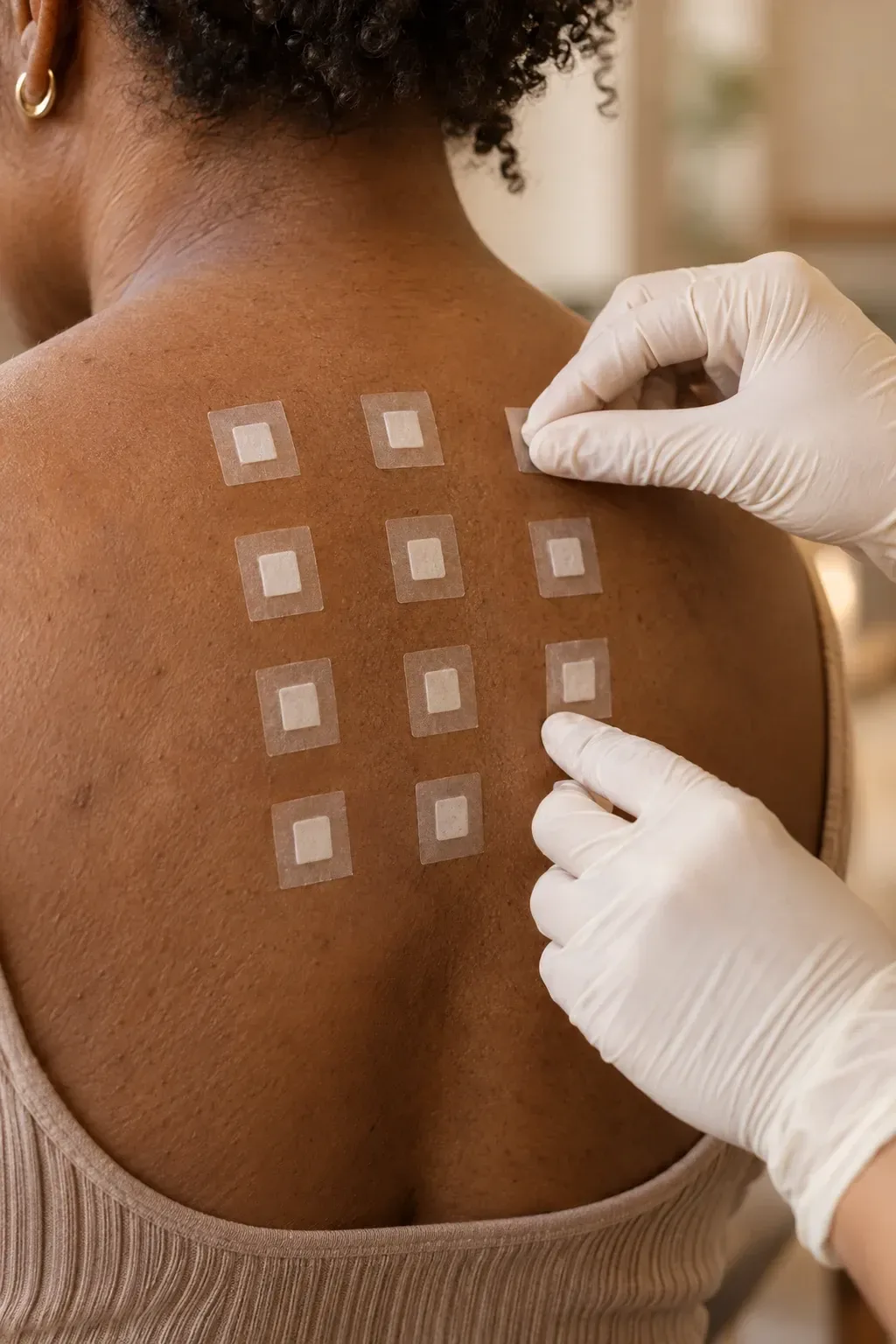
Patch testing is the standard test for allergic contact dermatitis, a delayed immune reaction to substances that touch the skin. Small amounts of common allergens are placed on the upper back under adhesive panels. The AAD recommends it when contact dermatitis is suspected or a rash keeps returning.
The panels stay on for 48 hours while immune cells react to any allergen you are sensitive to. Your provider then reads the skin at removal and again a few days later, because some reactions appear late.
Treatment Timeline:
- Placement:
- Day 1 (about 30 minutes)
- First Reading:
- Day 3 (panels removed)
- Final Reading:
- Day 4 to 7 (late reactions)
- Recovery:
- None (mild itch at test sites)
Rashes We Evaluate
Rashes We Evaluate in Atlanta
Common Patterns and Triggers
- Hand Dermatitis
- Cracked, itchy hands from gloves, soaps or work exposures
- Eyelid Rashes
- Itchy, swollen lids often linked to nail polish or cosmetics
- Scalp and Hairline
- Itching or burning from hair dye, relaxers or styling products
- Jewelry Reactions
- Rashes at the ears, wrists or waist from nickel and metals
- Face and Neck Rashes
- Flares from fragrance, preservatives or skin care ingredients
- Stubborn Eczema
- Eczema that worsens despite care, with a hidden allergy
Benefits of a Skin Rash Evaluation
Answers You Can Act On
Patch Testing vs Other Rash Approaches
Different tests answer different questions. Here is how patch testing compares for rashes caused by contact allergies.
| Approach | What It Detects | Time Commitment | When You Get Answers | How Long It Helps | Downtime | Best For |
|---|---|---|---|---|---|---|
| Patch Testing | Delayed allergies to substances touching the skin | 3 visits in one week | Within about a week | Results apply long term | None | Recurring or unexplained contact rashes |
| Allergy Blood Testing | Immediate (IgE) allergies such as pollen or foods | One blood draw | Days | Varies | None | Hay fever, hives and food allergy questions |
| Skin Prick Testing | Immediate (IgE) allergies within minutes | One visit | Same day | Varies | None | Seasonal and food allergy workups |
| Elimination Trial at Home | Possible triggers by trial and error | Weeks to months | Uncertain | Unreliable | None | Single, obvious suspect products |
| Topical Steroids Without Testing | Nothing; calms inflammation only | Ongoing | Not applicable | Until the next flare | None | Short-term relief while a workup is planned |









Candidacy
Who Is a Good Candidate for Skin Rash Evaluation?
Signs It Is Time to Test
A skin rash evaluation helps anyone whose rash keeps returning, spreads in an unusual pattern or does not respond to usual care.
Ideal Candidates for Skin Rash Evaluation
- Rashes on the hands, eyelids, face, neck or scalp that keep coming back
- Reactions after new hair dye, relaxers, cosmetics, jewelry or skin care
- Healthcare, salon, cleaning and construction workers with work-related rashes
- Eczema that has suddenly worsened or spread despite treatment
- Children and teens with persistent, unexplained rashes
Who Should Wait or Avoid Skin Rash Evaluation
- A widespread active flare, especially on the back (clear it first)
- Recent oral steroids or immune-suppressing medicine, which can blunt reactions
- Strong steroid creams on the back or recent sun exposure there
- Pregnancy, when patch testing is often postponed
Eczema and allergic rashes often overlap, so our eczema treatment in Atlanta may be part of your plan. A rash around the nails can also be fungal, which our nail fungus and nail fold care addresses.
Your Visits
Patch Testing Step by Step
Three Visits Over One Week
Consultation
Your provider examines the rash and reviews your products, work and hobbies to choose allergens.
Placement
Allergen panels are taped to your upper back and marked; you keep the area dry for 48 hours.
First Reading
Panels are removed on day 3 and each test site is checked for redness, swelling or bumps.
Final Reading
A second reading days later catches late reactions, and Dr. Hill's team explains every result.
Avoidance Plan
You leave with allergen names, label aliases and safe product swaps, plus rash treatment if needed.
Patch Testing Side Effects and Safety
Patch testing is safe for most children and adults because it uses tiny amounts of each allergen.
Common, Short-Lived Effects
The most common side effect is itching or a small red, raised patch at a positive test site, which fades within days to weeks.
Less Common Reactions
Tape can irritate sensitive skin, and in deeper skin tones a strong reaction may leave a temporary dark mark. Rarely, a positive test triggers a flare of the original rash.
Allergens and When to Call Us
Many reactions come from cosmetic ingredients, which the FDA guide to allergens in cosmetics explains. Call us if a test site blisters or becomes very painful.
Investment
Skin Rash Evaluation Cost in Atlanta
Coverage and Payment Options
How Much Does Skin Rash Evaluation Cost in Atlanta?
Cost depends on whether you need patch testing, how many allergens are tested, the number of reading visits, and any added tests such as a scraping, culture or biopsy. Exact pricing will be discussed during your consultation.
Insurance and Skin Rash Evaluation
Rash evaluation and patch testing are medical services and are often covered, subject to your copay, deductible and any prior authorization. Review our insurance plans we accept and call your insurer if you have questions before testing.
Financing and Payment Options
CareCredit and Cherry can help with deductibles or self-pay balances. See how to apply on our financing page for dermatology care.
Why Choose SOCAH Center for Skin Rash Evaluation in Atlanta, GA
Cause-First Dermatology
Dr. Hill built SOCAH Center on finding the cause before treating the symptom. Our team reads patch tests in context, including your hair care, cosmetics, work and hobbies, and recognizes how redness, darkening and dryness look different across every skin tone.
Board-Certified Oversight
Workups directed by a board-certified dermatologist and AAD Fellow
Hair and Scalp Insight
Experience with dye, relaxer and styling product reactions
Complete Workup
Patch testing, scrapings, cultures and biopsies in one practice
Practical Follow-Up
Clear avoidance plans and product swaps you can actually use
Babies to Adults
Rashes evaluated in babies, children, teens and adults in one practice
Work Exposures Considered
Salon, healthcare, cleaning and construction triggers read in context

Related Treatment
Skin Tag Removal
Fast, precise removal of skin tags by a dermatology team, with care for every skin tone.
- One Short Visit
- Minimal Scarring
- Accurate Diagnosis
Mole Removal
Every mole is evaluated first, then removed with the method that suits it and your skin.
- Diagnosis First
- Lab Answers
- No-Stitch Option
Keloid Removal
Flatter, calmer keloid scars, with a plan built around how your skin heals.
- Combined Care
- Lower Recurrence
- Symptom Relief
Frequently Asked Questions About Skin Rash Evaluation
How much does patch testing cost in Atlanta?
How long does patch testing take?
Does patch testing hurt?
When will I know what is causing my rash?
Will I need patch testing more than once?
How is patch testing different from an allergy blood or prick test?
Can children have patch testing?
Can hair dye or relaxers cause a scalp rash?
How do rashes look on different skin tones?
Schedule Your Skin Rash Evaluation Consultation
References
- Johansen et al., Contact Dermatitis. (2015). European Society of Contact Dermatitis guideline for diagnostic patch testing - recommendations on best practice. PMID: 26179009.
- Houle et al., Dermatitis. (2025). North American Contact Dermatitis Group Patch Test Results: 2021-2022. PMID: 40274377.
- Uyesugi et al., Clin Rev Allergy Immunol. (2019). Patch Testing Pearls. PMID: 30269296.
- Sindle et al., Dermatol Clin. (2020). Common Allergens and Considerations When Performing Pediatric Patch Testing. PMID: 32475510.
- Frazier et al., Am Fam Physician. (2020). Atopic Dermatitis: Diagnosis and Treatment. PMID: 32412211.