

Razor Bumps and Ingrown Hair Treatment in Atlanta, GA: Ending the Cycle of Bumps, Dark Marks and Irritation
Calm today's bumps and prevent the next ones with a plan built around your hair and skin.
- Common In:
- Coarse or curly hair
- Primary Causes:
- Close shaving, plucking, waxing
- Treatment Time:
- 15-30 minute visits
- Results:
- Calmer in 2-4 weeks
What Are Razor Bumps and Ingrown Hairs?
Recognizing the Signs
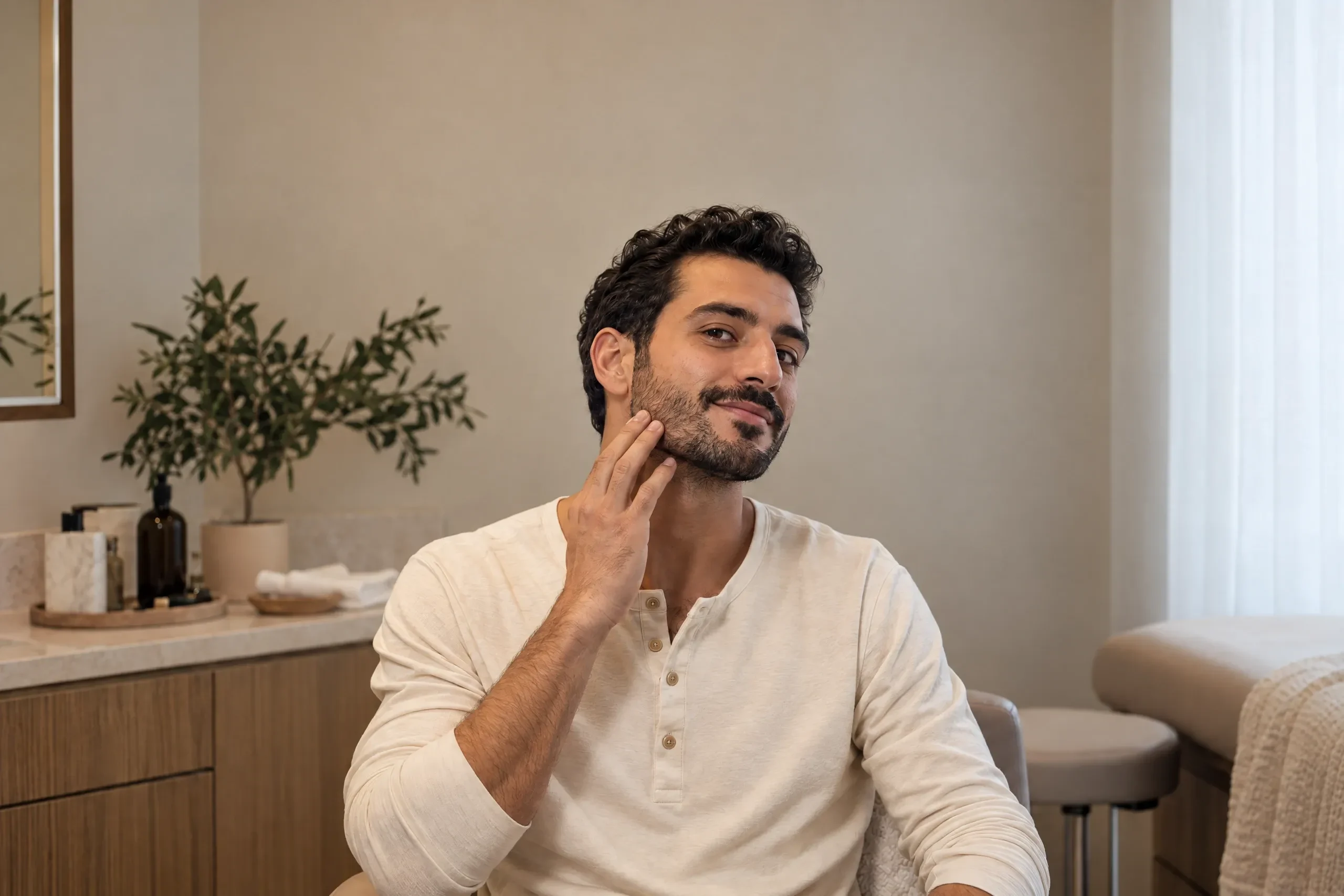
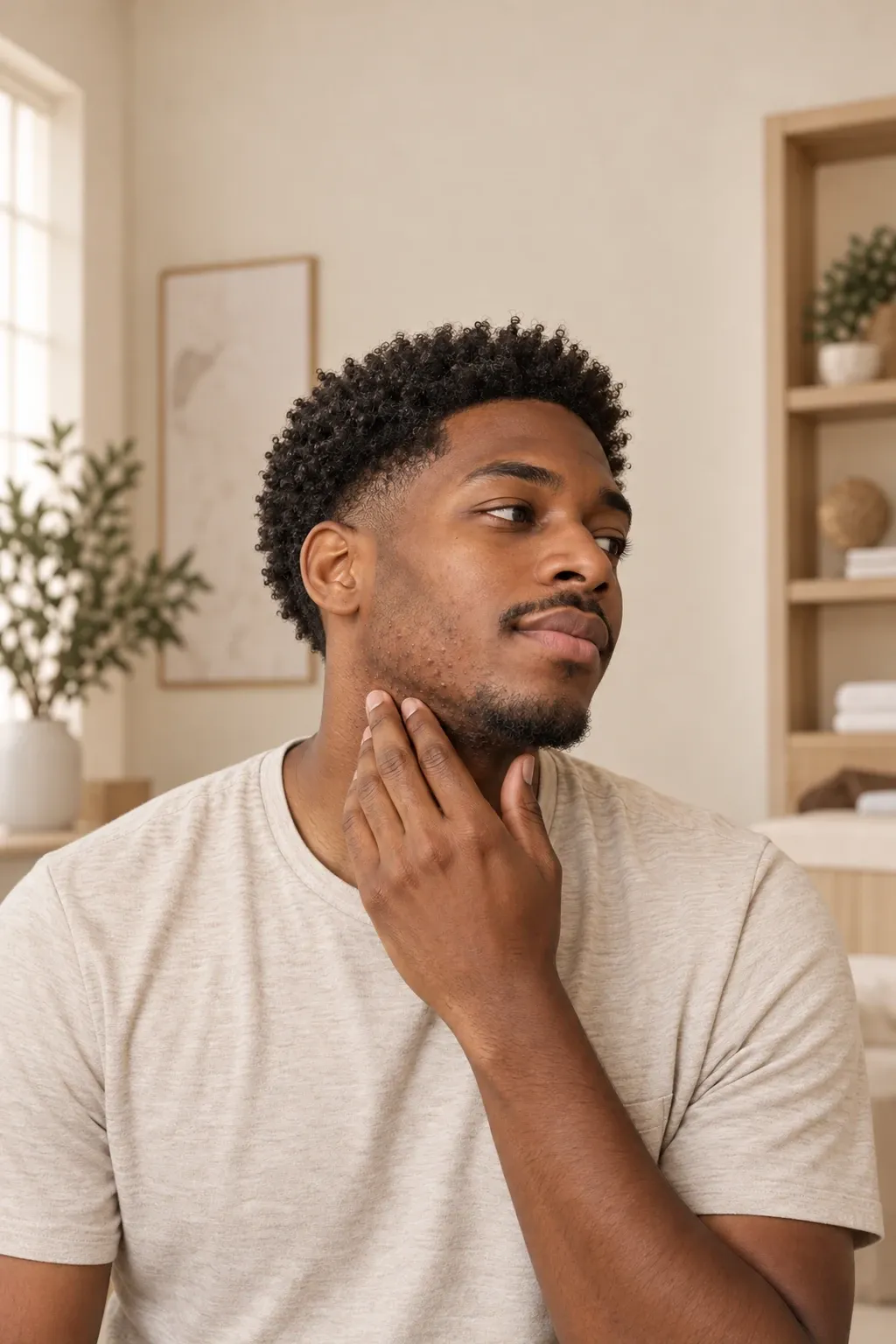
Razor bumps, known medically as pseudofolliculitis barbae, are inflamed bumps that form when a shaved or plucked hair curls back and grows into the skin instead of out of it. The body treats the trapped hair like a splinter, and the result is a tender red or dark bump, sometimes with a small pustule on top.
When you shave, the bumps often appear within a day or two along the jaw, chin and neck. Women see them on the chin, bikini line, underarms and legs. Each bump can leave a dark mark behind, so the skin may look uneven long after the bump flattens.
Razor bumps are most common in people with coarse or tightly curled hair of any background, because curved follicles send the sharp tip of a cut hair straight back toward the skin. Anyone who needs a close shave for work, from first responders to performers, knows how quickly the cycle repeats.
Medically reviewed by Dr. Nikki D. Hill, MD, FAAD. Last updated: October 2026.
Why Razor Bumps and Ingrown Hairs Happen
Understanding the Root Causes
01The Science
A close shave leaves a sharp, angled hair tip just below the skin surface. Within about 24 to 48 hours, a curved hair can pierce the skin beside the follicle or push through the follicle wall from inside. Both trigger a foreign-body reaction, and repeated shaving reopens the same spots before they heal.
Stretching the skin while shaving, shaving against the grain and plucking all make the cut hair retract below the surface, where it is more likely to turn inward. The American Academy of Dermatology shaving tips recommend shaving in the direction of hair growth with a sharp blade for this reason.
Constant inflammation leads to dark marks that linger after the bumps heal and, in some patients, firm scarred bumps. Similar bumps at the back of the scalp after close haircuts can be a related condition, acne keloidalis nuchae on the nape, which needs its own treatment plan.
02Deeper Understanding
Diagnosing and Treating Razor Bumps at SOCAH Center
From Shaving Habits to Long-Term Solutions
Your visit includes an exam of the affected areas and a review of your shaving or hair removal routine. We rule out look-alikes such as bacterial folliculitis, a fungal beard infection or acne, and a quick culture is taken when pustules suggest infection.
Shaving Technique
Letting the hair grow for 3 to 4 weeks lets the bumps settle. After that, many patients do best with a single-blade razor or an electric clipper that leaves a little stubble, warm water and a gel before shaving, strokes with the grain and no skin stretching. Our step-by-step shaving guide for beard bumps walks through the routine.
Medical Treatments
A nightly retinoid such as tretinoin or adapalene smooths the surface so hairs exit cleanly, and a benzoyl peroxide wash or gel reduces bacteria and inflammation. Gentle glycolic or salicylic acid exfoliants help between shaves. For painful flares, a short course of a mild topical steroid or a topical or oral antibiotic may be prescribed. These become a daily routine through our dermatologist-built men's skin care regimens.
When Laser Hair Removal Is the Long-Term Answer
If bumps return every time you shave, laser hair reduction for ingrown-prone areas treats the cause by reducing the number and thickness of hairs. Longer-wavelength settings are generally preferred for deeper skin tones, as explained in our guide to which laser is right for your skin tone. If you want to keep your beard, settings can thin the hair rather than remove it.
What Makes Razor Bumps Worse?
Most flares trace back to a few habits and hair traits that keep the cycle going.
- 01Close ShavesMulti-blade razors and shaving against the grain cut hair below the surface, where it is most likely to curl back inward.
- 02Curly Hair TextureTightly curled hair grows from curved follicles, so a cut hair tip naturally points back toward the skin.
- 03Plucking and WaxingRemoving hair from the root can distort the follicle and leave new hairs trapped beneath the surface as they regrow.
- 04Dull Blades and Dry SkinDragging a dull blade over dry skin causes friction and tiny cuts that inflame follicles before the hair even returns.
- 05Hormonal Hair GrowthConditions such as polycystic ovary syndrome can cause coarse hair on the chin and neck, which often leads to ingrown hairs.

Why Choose SOCAH Center for Razor Bump and Ingrown Hair Care in Atlanta, GA
Razor bump care at SOCAH Center is led by board-certified dermatologist Dr. Hill, who treats follicle and hair conditions in every hair type for patients from Atlanta, Stone Mountain, Tucker and Decatur. Together we choose the plan that fits your grooming and work needs.
- Hair and Follicle Focus
- Our dermatologist specializes in hair and follicle disorders, from routine ingrown hairs to scarring bumps.
- Skin-Tone Calibrated Lasers
- Laser settings are matched to your skin tone and hair to reduce bumps while protecting against burns and dark marks.
- Medical and Laser Options
- Prescription topicals, in-office care and laser hair reduction are coordinated in one plan instead of trial and error.
- Dark Mark Follow-Up
- We treat the dark spots razor bumps leave behind, so your skin looks even as the bumps stop forming.

Treatment Options Comparison
Most plans pair a daily medical routine with laser hair reduction when bumps keep returning.
| Treatment | Best For | Session Time | Results Timeline | Maintenance |
|---|---|---|---|---|
| Men's Skin Care | Mild bumps, daily prevention | Daily routine | 2-4 weeks | Ongoing |
| Laser Hair Removal | Recurring bumps, lasting relief | 15-30 minutes | After 2-3 visits | Series of 6-8 |
Signs You May Have Razor Bumps or Ingrown Hairs
These signs suggest your bumps are more than simple irritation and may benefit from a dermatologist plan.
Bumps After Every Shave
Tender bumps appear along your jaw, neck or bikini line within a day or two of every shave, no matter which razor you use.
Visible Trapped Hairs
You can see a hair curled under the skin or a loop of hair at the center of a bump.
Lingering Dark Marks
Each bump leaves a dark spot behind, and the marks build into uneven patches over weeks and months.
Pus or Painful Flares
Some bumps fill with pus, feel sore or spread, which can mean infection needs to be treated.
Firm Scarred Bumps
Hard, raised bumps remain long after shaving stops and may itch or catch on collars and razors.



Related Treatment
Laser Hair Removal
Smoother skin and fewer ingrown hairs, with laser settings chosen for your skin and hair.
- Fewer Ingrowns
- Calmer Skin
- Lasting Reduction
Men's Skin Care
Simple, dermatologist-built routines for every skin tone, beard type and lifestyle.
- Short Routine
- Correct Diagnosis
- Smoother Shave
Microneedling
Collagen-building microneedling for smoother texture, softer scars and a more even tone.
- Your Own Collagen
- Gentle on Pigment
- Short Recovery
Frequently Asked Questions
What is the fastest way to get rid of razor bumps?
Does laser hair removal cure razor bumps?
Is laser hair removal safe for razor bumps in deeper skin tones?
Should I pluck or dig out ingrown hairs?
Can women get razor bumps?
How much does razor bump treatment cost?
Schedule Your Razor Bumps & Ingrown Hair Treatment Consultation
Scientific References
- Nussbaum et al., J Drugs Dermatol. (2019). Pseudofolliculitis Barbae: A Review of Current Treatment Options. PMID: 30909328.
- Dalia et al., Clin Exp Dermatol. (2023). Review of treatments for pseudofolliculitis barbae. PMID: 36840647.
- Shokeir et al., J Cosmet Dermatol. (2021). Pseudofolliculitis barbae treatment: Efficacy of topical eflornithine, long-pulsed Nd-YAG laser versus their combination. PMID: 33629488.
- Amer et al., Dermatol Ther. (2021). Evaluation of efficacy and safety of chemical peeling and long-pulse Nd:YAG laser in treatment of pseudofolliculitis barbae. PMID: 33559240.
- Green et al., J Drugs Dermatol. (2015). Laser and Light-Based Aesthetics in Men. PMID: 26355628.