
Large Pores and Texture Treatment in Atlanta, GA: Refining Skin Surface With Laser, Microneedling and Facials
Smoother, more even skin through treatments matched to the cause of your pores.
- Common In:
- Oily and combination skin, from the teen years onward, in every skin tone
- Primary Causes:
- Excess oil, loss of skin elasticity, sun damage and genetics
- Treatment Time:
- About 30 to 60 minutes per session, usually as a series
- Results:
- Smoother, more refined skin over 1 to 3 months with maintenance
What Are Large Pores and Uneven Texture?
Recognizing the Signs
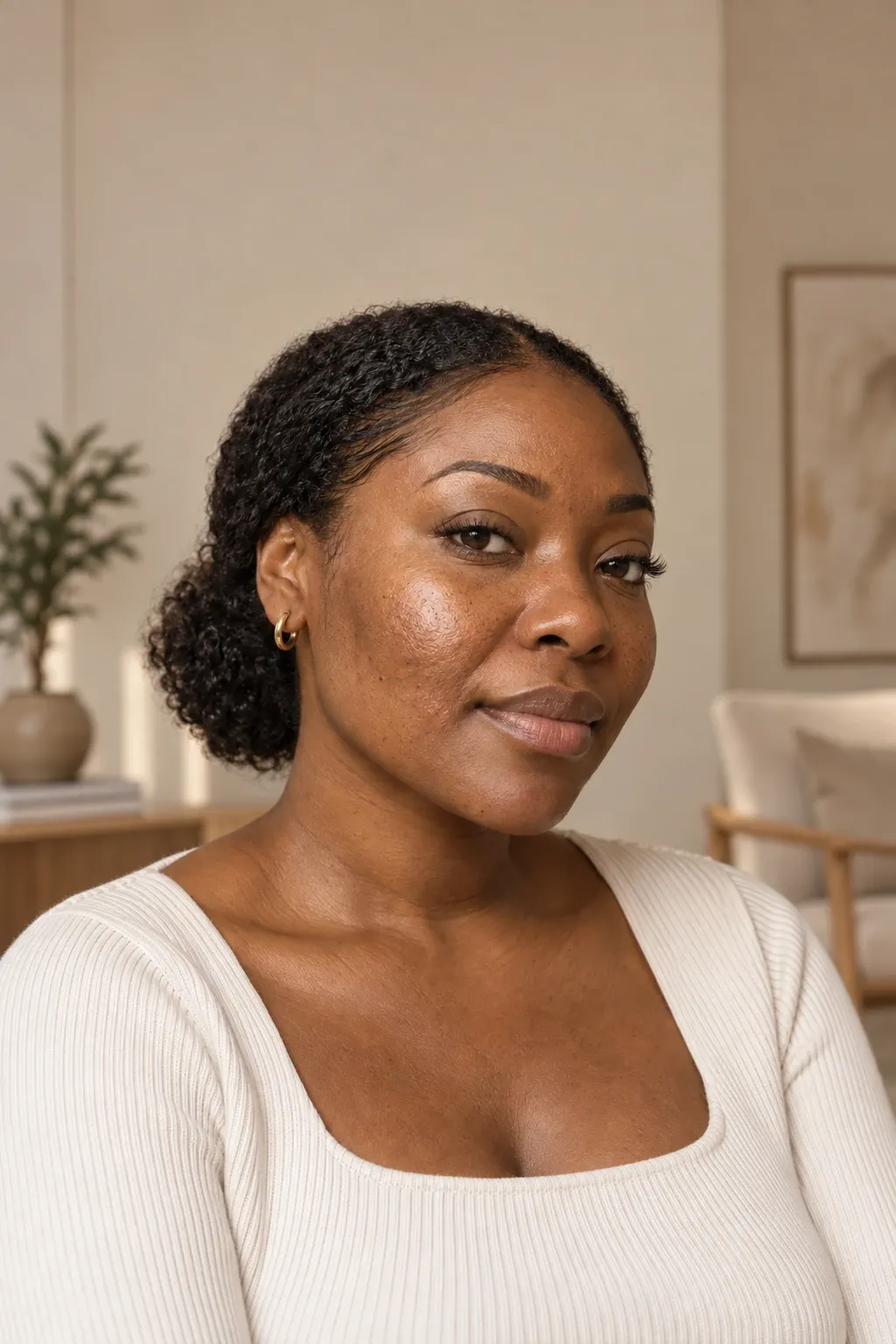
Pores are the openings of hair follicles, and each one connects to an oil gland. They are a normal, necessary part of skin. Pores look enlarged when the opening widens, fills with oil and debris, or loses the firm collagen support around it. Uneven texture is the rough, bumpy or orange-peel surface that often comes with them, especially on the nose, cheeks, chin and forehead.
Large pores appear in every skin tone and skin type, but they are most common in oily and combination skin. In lighter skin, sun damage often makes cheek pores look stretched. In deeper skin tones, visible pores frequently travel with dark marks left by past breakouts, so treatment has to refine texture without triggering new pigment.
An honest expectation matters here: pore size is largely set by genetics, so treatment minimizes pores rather than erasing them. Most patients can see noticeably smoother, tighter-looking skin. See how this fits with other concerns in our directory of conditions we treat.
Medically reviewed by Dr. Nikki D. Hill, MD, FAAD. Last updated: October 2026.
Why Pores Look Larger
Understanding the Root Causes
01The Science
Dermatology research describes three main reasons pores enlarge: high oil (sebum) production that stretches the opening, a loss of elasticity in the skin around the pore, and a larger hair follicle. Oil output is driven by androgen hormones, which is why pores often become noticeable in the teen years and stay prominent in oily skin. When oil mixes with dead skin cells, it forms a plug that widens the opening further.
With age and sun exposure, collagen around each pore weakens and skin begins to sag slightly, so cheek pores stretch into an oval or teardrop shape. Daily broad-spectrum protection, as the American Academy of Dermatology sunscreen guidance explains, is one of the simplest ways to slow that change.
Treatment works best when matched to the cause. Gentle laser treatment with Laser Genesis heats the dermis to firm the skin around pores, collagen induction microneedling remodels texture and pore walls, and a deep-cleansing Hydrafacial clears oil and debris from congested pores.
02Diagnosis at SOCAH
How We Evaluate Pores and Texture
Finding the Type Behind Your Pores
Your visit starts with a close skin exam under magnification and good lighting. We look at where pores are largest, whether they are oily and clogged or stretched from lost firmness, and whether active breakouts, rosacea or sun damage are part of the picture. We also check that what looks like a pore is not actually an ice pick acne scar, a common mix-up that changes the treatment plan.
Oily, congested pores usually start with deep cleansing and oil control, and active breakouts are treated first through our medical acne care, since inflammation keeps pores stretched. Pores stretched by lost firmness respond to collagen-building treatments. When texture is more stubborn, RF microneedling for deeper remodeling adds radiofrequency heat to the needling process. All laser and aesthetic treatments are performed by trained staff under dermatologist supervision.
Pore and texture treatment is cosmetic and self-pay. Cost depends on the treatment, the number of sessions and whether treatments are combined, and exact pricing is discussed at your consultation. Monthly payment plans through CareCredit and Cherry are available.
What Makes Pores Look Bigger?
Genetics set your baseline pore size, but these factors can make pores and texture look worse.
- 01Excess OilHormones, heat and Atlanta humidity increase oil output, which stretches pore openings and makes them more visible.
- 02Clogged PoresDead skin cells mix with oil and heavy products, forming plugs that widen pores and roughen texture.
- 03Sun DamageUV exposure weakens collagen around each pore, so pores on the cheeks gradually stretch and sag.
- 04Aging SkinNatural collagen and elastin loss reduces the firm support that once kept pore openings tight.
- 05Picking and SqueezingPressing on pores can damage the pore wall, leave dark marks and make the opening look larger.
- 06Past BreakoutsInflammation from acne can leave enlarged pores, shallow scars and uneven texture after it clears.

Why Choose SOCAH Center for Large Pores and Texture Care in Atlanta, GA
Every pore and texture plan at SOCAH Center is overseen by Dr. Nikki D. Hill, a board-certified dermatologist, so the cause is identified before treatment begins, for patients from Atlanta, Tucker, Decatur and Chamblee.
- Cause Before Treatment
- Oily, stretched and scarred pores each get a different plan, rather than one facial for everyone.
- Safe for Every Skin Tone
- Settings and products are chosen to refine texture while lowering the risk of new dark spots.
- Dermatologist Supervision
- Aesthetic and laser treatments run under a physician who can treat acne or rosacea alongside them.
- Honest Expectations
- We explain what pores can and cannot do, so you know what smoother skin will realistically look like.
Large Pores Treatment Options Compared
Each option targets a different cause of large pores, and many patients combine them in one plan.
| Treatment | Best For | How It Works | Results Timeline | Maintenance |
|---|---|---|---|---|
| Laser Genesis | Pores stretched by lost firmness, fine texture and redness | Gentle laser heat warms the dermis to stimulate collagen with no downtime | Gradual refinement over a series of 4 to 6 sessions | Periodic sessions to maintain results |
| Microneedling | Uneven texture, enlarged pores and shallow acne scars | Tiny controlled punctures trigger collagen remodeling around pore walls | Smoother skin builds over 1 to 3 months | A series of 3 to 6, then periodic touch-ups |
| Hydrafacial | Oily, congested pores and dull surface texture | Cleanses, exfoliates, extracts and hydrates using vortex suction | Clearer, smoother skin right after treatment | About every 4 weeks |
Signs Your Pores and Texture Need Attention
These signs suggest pores and texture have moved beyond what a cleanser alone can handle.
Visible Pores at a Distance
You can see pores on your nose, cheeks or forehead in a normal mirror, not just a magnifying one.
Makeup Sinks In
Foundation settles into pores or looks patchy by midday, even with primer.
Rough, Bumpy Surface
Your skin feels uneven to the touch, and light catches small bumps across your cheeks or forehead.
Shine by Midday
Your T-zone looks oily a few hours after washing, and blackheads return quickly after extraction.
Teardrop-Shaped Pores
Pores on your cheeks look oval or stretched rather than round, often a sign of lost firmness.
Products Are Not Enough
Months of pore strips, toners or retail scrubs have not changed how your skin looks or feels.



Related Treatment
Laser Genesis
A warm, comfortable laser that refines tone and texture for every skin tone, with no downtime.
- No Downtime
- Natural Collagen
- Calmer Tone
Microneedling
Collagen-building microneedling for smoother texture, softer scars and a more even tone.
- Your Own Collagen
- Gentle on Pigment
- Short Recovery
Hydrafacial
A refreshing facial that deep cleans, clears and hydrates every skin type and tone.
- No Downtime
- Instant Glow
- Gentle Extraction
Frequently Asked Questions
Can large pores be permanently shrunk?
What is the best treatment for large pores?
Do pores open and close with hot or cold water?
How many sessions will I need?
Are pore treatments safe for darker skin?
How much does large pores treatment cost?
Schedule Your Large Pores & Texture Treatment Consultation
Scientific References
- Lee et al., Dermatol Surg. (2016). Facial Pores: Definition, Causes, and Treatment Options. PMID: 26918966.
- Parvar et al., J Cosmet Dermatol. (2023). "The efficacy and adverse effects of treatment options for facial pores: A review article". PMID: 36440737.
- Dong et al., Cutis. (2016). Enlarged facial pores: an update on treatments. PMID: 27529707.
- Dissanayake et al., Skin Res Technol. (2019). New image analysis tool for facial pore characterization and assessment. PMID: 30865350.