

Chemical Peel in Atlanta, GA: Superficial to Deep Peels Selected for Your Skin Tone
- Treatment time:
- 20 to 60 minutes
- Downtime:
- None to 2 weeks, by depth
- Results last:
- Months, with sunscreen
- Pain level:
- Tingling to warm sting

Chemical Peels Near You
A chemical peel in Atlanta, GA at SOCAH Center removes damaged outer skin so smoother, more even skin can replace it. Aestheticians perform light peels for glow and breakouts, and Dr. Hill performs deeper peels, each chosen for your skin tone.
Peel selection is overseen by board-certified dermatologist Dr. Nikki D. Hill, MD, FAAD, a Fellow of the American Academy of Dermatology and a member of the American Society for Dermatologic Surgery. Depth, acid type and the number of layers are decided together after a skin exam, and many patients start a short skin-priming routine so the peel works evenly. Superficial peels are part of our aesthetician services in Atlanta.
Medically reviewed by Dr. Nikki D. Hill, MD, FAAD. Last updated: October 2026.
Why Peels
How a Chemical Peel Solves Uneven Tone and Texture
Problem and solution
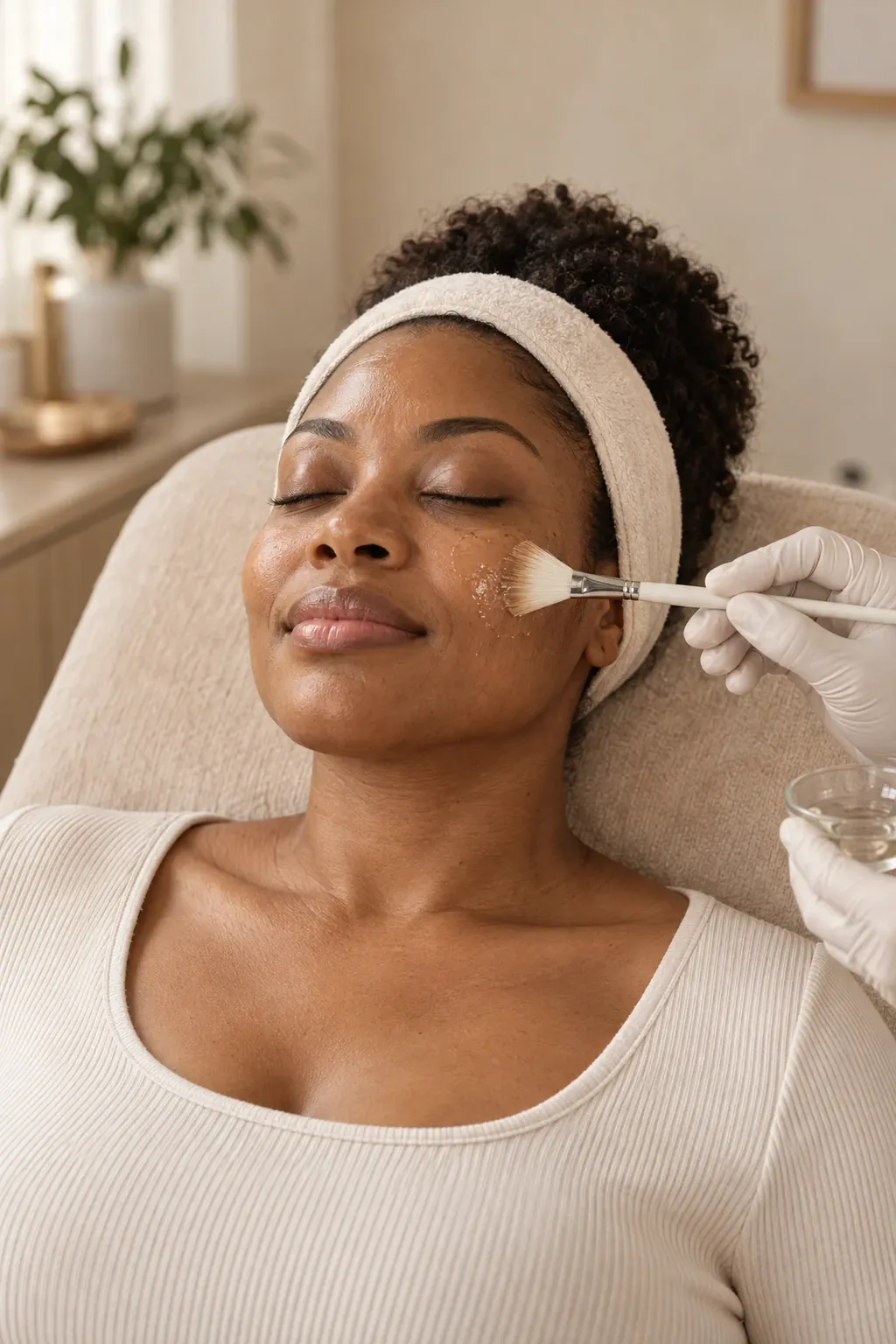
The problem. Dark marks left by breakouts, sun spots, melasma, rough texture and early fine lines rarely respond to cleansers and scrubs. Strong store-bought acids used without guidance can burn, and in deeper skin tones that irritation often leaves new dark patches that take months to fade. Many people give up, or avoid peels altogether because they worry about peeling, downtime or a result that looks worse than where they started.
The solution. A professionally selected chemical peel removes damaged layers in a controlled way. Gentle peels such as mandelic, lactic or salicylic acid refresh tone with little or no flaking, while medium-depth peels reach deeper discoloration and texture. Skin is primed beforehand and protected afterward, so new skin grows in more evenly. Results build over a series and last with daily sunscreen and good home care.
Understanding Your Treatment
What Is a Chemical Peel?
Controlled exfoliation by depth
A chemical peel is a dermatologic procedure in which an acid solution loosens damaged cells so they shed, revealing fresher skin. Peels are classed as superficial, medium or deep, as the American Academy of Dermatology peel overview explains. The acids are established in-office agents, not one FDA-approved product, used for dark spots, melasma, acne and texture.
Superficial glycolic, lactic, mandelic, salicylic or Jessner's peels act on the outermost layer. Medium-depth peels, usually trichloroacetic acid, reach the upper dermis. Expect brief warmth, and results build as new skin replaces what sheds.
Treatment Timeline:
- Treatment Time:
- 20 to 60 minutes
- Peeling:
- 2 to 7 days, by depth
- Visible Results:
- 1 to 2 weeks
- Series:
- 3 to 6 peels
What It Treats
Skin Concerns a Chemical Peel Treats
Six common reasons for a peel
- Dark Spots
- Fades post-inflammatory dark marks left by acne, bumps and irritation
- Melasma
- Gentle series peels support a medical plan for hormone-related patches
- Sun and Age Spots
- Lightens brown spots from years of sun exposure on the face
- Acne
- Salicylic acid peels unclog pores and help calm active breakouts
- Rough Texture
- Smooths dullness, roughness and shallow acne scarring over a series
- Fine Lines
- Medium-depth peels soften fine lines around the eyes and mouth
Benefits of a Chemical Peel
Clearer, more even skin
Chemical Peel vs Other Resurfacing Options
How chemical peels compare with microdermabrasion, laser resurfacing, microneedling and retinoids for tone and texture.
| Treatment | How It Works | Session Time | Results Seen | Results Last | Downtime | Best For |
|---|---|---|---|---|---|---|
| Chemical Peel | Acids dissolve damaged outer layers | 20 to 60 minutes | 1 to 2 weeks | Months with sun protection | None to 2 weeks, by depth | Dark spots, melasma, acne and texture |
| Microdermabrasion | Abrasive tip buffs the surface | 30 to 45 minutes | Immediately | 1 to 2 weeks | Mild redness for a few hours | Dullness and mild roughness |
| Laser Skin Resurfacing | Laser energy removes or heats skin layers | 30 to 90 minutes | 1 to 4 weeks | A year or more | 3 days to 2 weeks | Wrinkles, scars and sun damage |
| Microneedling | Fine needles trigger collagen repair | 45 to 60 minutes | 4 to 6 weeks | Months, builds over a series | 1 to 3 days of redness | Acne scars and enlarged pores |
| Topical Retinoids | Daily cream speeds cell turnover | A few minutes a day | 8 to 12 weeks | While used | Dryness at first | Maintenance between peels |









Is It Right for You
Who Is a Good Candidate for a Chemical Peel?
Every skin tone, the right depth
Good candidates are teens and adults with uneven tone, breakouts, sun damage or dull texture who can commit to daily sunscreen. Every skin tone can be treated: the difference lies in the acid and depth, which is why deeper skin tones usually start with superficial or carefully staged medium peels.
Ideal Candidates for a Chemical Peel
- Dark marks left after acne, razor bumps or eczema
- Melasma that is part of a dermatology care plan
- Sun spots and blotchy pigment
- Oily, acne-prone skin with clogged pores
- Dull, rough texture or early fine lines
Who Should Wait or Avoid a Chemical Peel
- Isotretinoin use within the past six months
- Active cold sores, infection, an eczema flare or open skin in the area
- Sunburn, a fresh tan or heavy sun exposure planned soon after
- Pregnancy or breastfeeding, unless your provider approves a specific gentle acid
- A history of keloids or poor healing, for medium and deep peels
Peels are often one part of a larger plan. Persistent post-inflammatory dark spots and sun and age spots may also need prescription lighteners, while active breakouts respond best when peels support medical acne treatment. Deep phenol peels carry a high risk of lasting pigment change in deeper skin tones and are reserved for carefully selected patients after a consultation with Dr. Hill.
Your Visit
Chemical Peel Step by Step
From consultation to follow-up
Consultation
Dr. Hill or your provider examines your skin, reviews your history and selects peel depth and acid.
Skin Priming
Many patients use a gentle pigment-control and retinoid routine for 2 to 4 weeks before peeling.
Peel Application
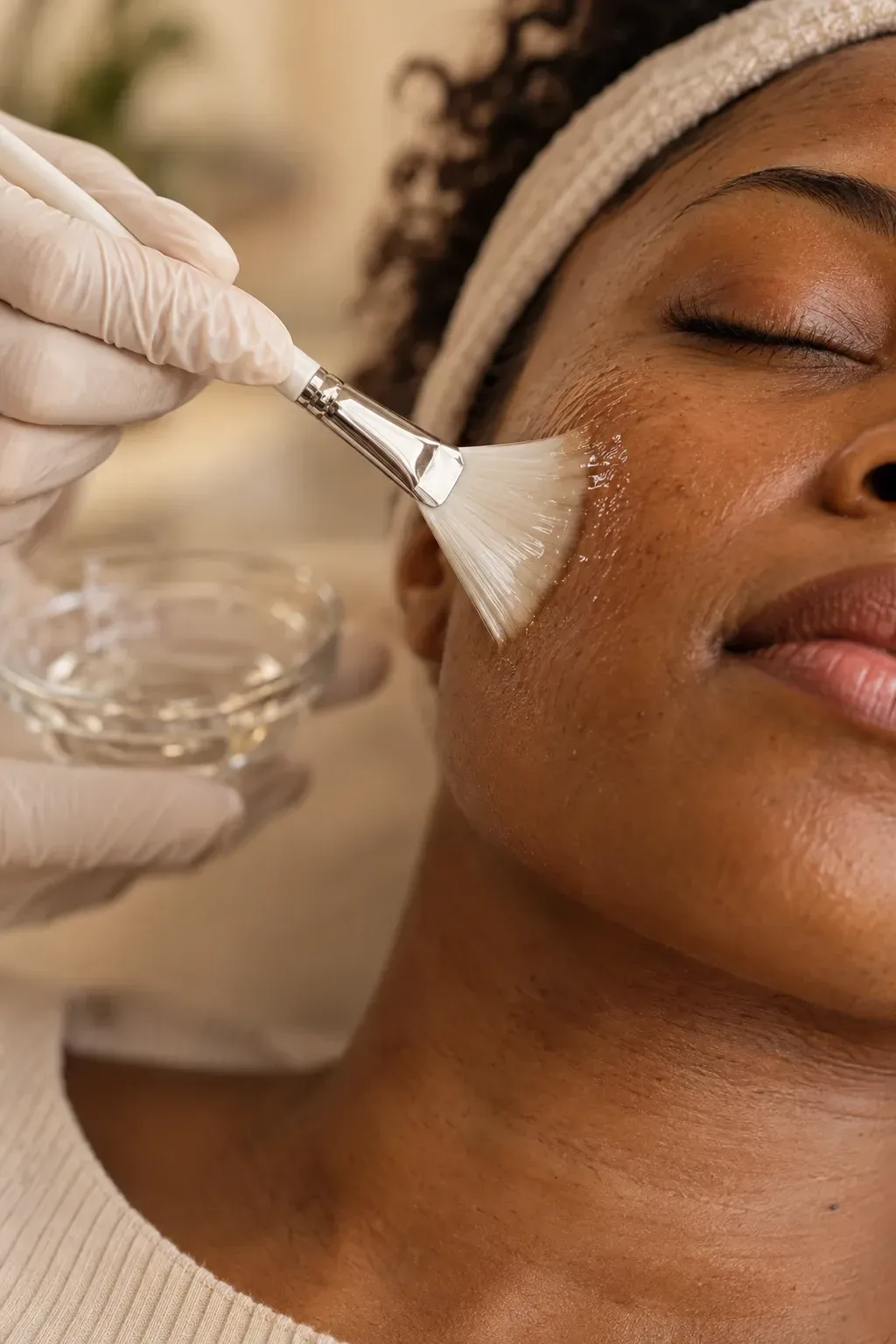
Your aesthetician, or Dr. Hill for deeper peels, cleanses skin and applies the acid in timed layers.
Neutralize and Protect
The peel is neutralized or removed, then a calming moisturizer and mineral sunscreen go on.
Follow-Up
Healing is reviewed, and the next peel in your series is timed to how your skin responded.
Chemical Peel Side Effects and Safety
Superficial peels are low risk: expect tightness, mild redness and light flaking for a few days.
Common, Short-Lived Effects
Medium-depth peels cause more redness, swelling and visible peeling for about a week.
Less Common Risks
Less common risks include cold sore flares, infection, prolonged redness and scarring. The most important risk in deeper skin tones is post-inflammatory hyperpigmentation, temporary darkening that follows irritation, which is why we favor gentler acids, conservative layers and pre-peel priming.
Sun Care and When to Call Us
The FDA guidance on alpha hydroxy acids notes that peel acids increase sun sensitivity, so daily sunscreen is essential. Never pick flaking skin, and call us for blistering, crusting or pain that worsens after the second day.
Investment
Chemical Peel Cost in Atlanta
What affects your investment
How Much Does a Chemical Peel Cost in Atlanta?
The cost of a chemical peel depends on peel depth, the acids used, whether an aesthetician or Dr. Hill performs it, the number of peels in your series and any pre-peel or aftercare products. Exact pricing is reviewed at your consultation once your skin has been examined.
Insurance and Chemical Peels
Cosmetic chemical peels are self-pay. When a peel is part of treatment for a diagnosed condition such as acne, coverage varies by plan, so check your benefits and our list of accepted insurance plans.
Financing and Payment Options
CareCredit and Cherry let you spread the cost of a peel series over time through our flexible payment options.
Why Choose SOCAH Center for Chemical Peels in Atlanta, GA
Physician and aesthetician peels
Dr. Nikki D. Hill is a board-certified dermatologist who performs medium-depth and deep peels herself and supervises every superficial peel our licensed aestheticians perform. Peels are selected with pigment safety in mind, because the right acid and depth matter as much as the peel itself.
One Plan, Every Depth
Aesthetician peels and physician-performed deeper peels in one practice
Pigment-Safe Selection
Acid, strength and layers chosen to lower the risk of new dark marks
Skin Priming
Pre-peel routines help skin respond evenly and heal predictably
Medical Follow-Up
Melasma, acne or lingering dark spots managed by our dermatology team
Exam Before Any Acid
Depth, acid and layers are decided together after a skin exam, never off a menu
Melasma-Aware Plans
Peels for melasma sit inside a dermatology care plan, not as a stand-alone fix

Related Treatment
Microneedling
Collagen-building microneedling for smoother texture, softer scars and a more even tone.
- Your Own Collagen
- Gentle on Pigment
- Short Recovery
Hydrafacial
A refreshing facial that deep cleans, clears and hydrates every skin type and tone.
- No Downtime
- Instant Glow
- Gentle Extraction
Dermaplaning
Gentle blade exfoliation that leaves every skin tone smooth, bright and makeup-ready.
- No Downtime
- Smooth at Once
- Normal Regrowth
Chemical Peel FAQs
How much does a chemical peel cost in Atlanta?
Are chemical peels safe for every skin tone?
Does a chemical peel hurt?
How long does a chemical peel take?
How much downtime is there after a chemical peel?
When will I see results from a chemical peel?
How often can I get a chemical peel?
Is a chemical peel better than microdermabrasion?
Can men and teens get chemical peels?
Can I combine a chemical peel with dermaplaning?
Schedule Your Chemical Peel Consultation
References
- Jackson, Facial Plast Surg. (2014). Chemical peels. PMID: 24488634.
- Gupta et al., Clin Dermatol. (2019). Skin typing: Fitzpatrick grading and others. PMID: 31896400.
- Sofen et al., Skin Therapy Lett. (2016). Melasma and Post Inflammatory Hyperpigmentation: Management Update and Expert Opinion. PMID: 27224897.
- Ocampo-Candiani et al., Int J Dermatol. (2025). Latin American consensus on the treatment of melasma. PMID: 39415312.