

Acne Treatment in Atlanta, GA: Clearing Breakouts and Preventing Dark Marks and Scars
Clear breakouts today and protect your skin from the marks they leave behind
- Common In:
- Teens and adults
- Primary Causes:
- Oil, clogged pores, hormones
- Treatment Time:
- 20-40 minute visits
- Results:
- Clearer skin in 8-12 weeks

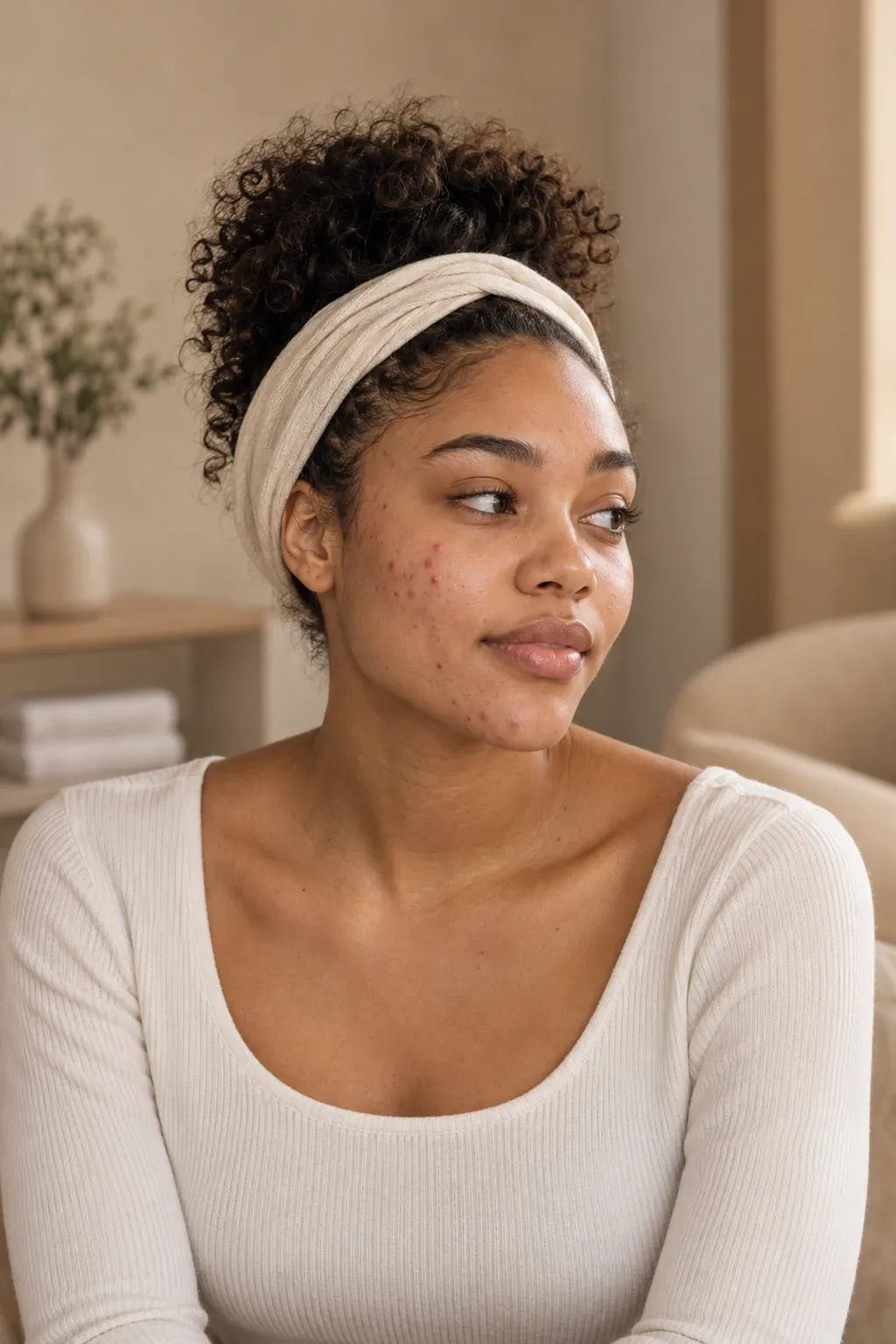
What Is Acne?
Recognizing the Signs
Acne vulgaris is a common inflammatory condition of the hair follicle and its oil gland. It shows up as blackheads and whiteheads (comedones), red or dark bumps (papules), pus-filled spots (pustules) and, in more severe cases, deep, painful nodules and cysts on the face, chest, shoulders and back. It affects most teenagers and a growing number of adults, especially women in their twenties, thirties and forties.
Acne behaves differently across skin tones and hair types. In deeper skin tones, each breakout can leave a dark spot that lasts far longer than the pimple itself, and many patients worry more about those marks than the acne. Hair oils and pomades can trigger small bumps along the hairline and forehead, and shaving can mix acne with razor bumps in the beard area.
Acne is a medical condition, not a hygiene problem, and it responds well to the right treatment started early, before it leaves lasting marks or scars.
Medically reviewed by Dr. Nikki D. Hill, MD, FAAD. Last updated: October 2026.
Why Acne Happens
Understanding the Root Causes
01The Science
Four processes drive acne: extra oil production, skin cells that stick together and plug the pore, overgrowth of the bacterium Cutibacterium acnes, and inflammation. Androgen hormones, which rise in puberty and fluctuate with the menstrual cycle, signal oil glands to enlarge and produce more sebum.
A plugged pore first forms a microcomedone, invisible to the eye, roughly 8 weeks before it becomes a visible bump. That is why acne treatment takes time to show results and why prevention matters as much as spot treatment. The American Academy of Dermatology acne resource explains how each type of breakout forms.
Inflammation is also what triggers color changes. When the skin heals, pigment cells can overproduce melanin and leave post-inflammatory hyperpigmentation, which is more common and longer lasting in deeper skin tones. Learn how post-acne dark spots are treated once breakouts are under control.
02Our Medical Acne Program
How Dermatologists Treat Acne
Prescription Care Matched to Your Skin
Your visit starts with an exam to grade your acne, check for scarring and dark marks, and look for clues such as hormonal patterns, hair product use or medications that can trigger breakouts. Labs may be ordered when hormone imbalance is suspected. Through our standard medical acne program, Dr. Hill then chooses from treatments supported by national guidelines:
- Prescription topicals: retinoids, benzoyl peroxide, azelaic acid and topical antibiotics in combination.
- Oral antibiotics such as doxycycline for inflamed acne, used for a limited course.
- Hormonal therapy, such as spironolactone or birth control pills, for women with jawline or cycle-related flares.
- Oral isotretinoin for severe, scarring or stubborn acne, prescribed with the required monitoring.
In-office treatments speed results. A dermatologist-supervised acne facial clears congestion, a salicylic or glycolic chemical peel refines pores and fades marks, and a professional back facial treats body breakouts. If you prefer a gentler path, our holistic, botanical-based acne plan is a separate alternative to prescription care.
What Makes Acne Worse?
Acne starts inside the pore, but everyday factors can make breakouts more frequent and more inflamed.
- 01Hormonal ShiftsPuberty, menstrual cycles, polycystic ovary syndrome and stopping birth control can all increase oil and jawline breakouts.
- 02Hair and Skin ProductsHeavy oils, pomades and thick creams can clog pores along the hairline, forehead and temples where they touch the skin.
- 03Friction and SweatHelmets, backpacks, masks and tight workout clothes trap heat and sweat against the skin and trigger chest and back acne.
- 04Picking and SqueezingPicking pushes inflammation deeper, increases dark marks and raises the risk of permanent scarring.
- 05DietStudies suggest high-glycemic foods and skim milk may worsen acne for some people, although diet is rarely the only cause.
- 06Stress and SleepStress hormones can increase oil production, which is why many people notice flares during exams or busy seasons.

Why Choose SOCAH Center for Acne Care in Atlanta, GA
Acne care at SOCAH Center is overseen by Dr. Nikki D. Hill, a board-certified dermatologist. Together we decide between prescription, procedural and natural options, and we treat the dark marks and scarring risk as seriously as the breakouts.
- Medical and Natural Paths
- Prescription acne care and a holistic alternative under one roof, chosen with you.
- Mark and Scar Prevention
- Early, effective treatment plus pigment-safe products to limit dark spots and scarring.
- Every Skin Tone
- Peels, facials and medications selected and timed to protect all skin tones from irritation.
- Teens to Adults
- Plans for teenagers, adult women with hormonal acne and men with beard-area breakouts.

Treatment Options Comparison
In-office treatments work best alongside a home plan, and your provider will recommend the right mix for your acne.
| Treatment | Best For | Session Time | Results Timeline | Maintenance |
|---|---|---|---|---|
| Natural Acne Treatment | Mild to moderate acne, gentle care | 30-45 min visit | 8-12 weeks | Review every 6-8 weeks |
| Acne Facial | Clogged pores, congestion | 45-60 min | Clearer after 1-3 sessions | Every 4-6 weeks |
| Chemical Peel | Breakouts and dark marks | 30-45 min | 2-4 weeks per peel | Series of 3-6 peels |
| Back Facial | Back and shoulder acne | 45-60 min | Smoother after 1-3 sessions | Every 4-6 weeks |
Signs Your Acne Needs a Dermatologist
Over-the-counter products help mild acne, but a dermatologist can prevent damage when breakouts persist. The AAD guide to isotretinoin explains when stronger treatment is considered.
Breakouts Keep Returning
You have used over-the-counter washes and spot treatments for 2-3 months and new pimples keep appearing.
Painful Deep Bumps
You get tender lumps under the skin that last for weeks and never come to a head.
Dark Marks That Linger
Each pimple leaves a brown or dark spot that stays for months after the bump is gone.
Jawline Flares
Breakouts cluster on the chin and jaw and worsen around your period, a common hormonal pattern.
Chest and Back Acne
You have breakouts on your shoulders, chest or back that make you avoid certain clothes.
Early Scarring
You notice small pits, rolling dents or raised scars where breakouts used to be.



Related Treatment
Natural Acne Treatment
Gentle, evidence-informed acne care built around botanicals, nutrition and your daily routine.
- Less Irritation
- Medical Oversight
- Lifestyle Focus
Acne Facial
Deep-cleaning facials that clear clogged pores and calm breakouts in every skin tone.
- Safe Extractions
- Fewer Breakouts
- Calmer Skin
Chemical Peel
Peel depth and acids chosen for your skin tone and goals, from a gentle glow to deep renewal.
- Matched Depth
- More Even Tone
- Clearer Pores
Frequently Asked Questions
How long does acne treatment take to work?
What is the best acne treatment for skin of color?
Is hormonal acne treated differently?
Is isotretinoin safe?
How is the medical acne program different from natural acne treatment?
Can teenagers be treated for acne at SOCAH Center?
Does insurance cover acne treatment?
Schedule Your Acne Treatment Consultation
Scientific References
- Reynolds et al., J Am Acad Dermatol. (2024). Guidelines of care for the management of acne vulgaris. PMID: 38300170.
- Eichenfield et al., JAMA. (2021). Management of Acne Vulgaris: A Review. PMID: 34812859.
- Zaenglein et al., J Am Acad Dermatol. (2016). Guidelines of care for the management of acne vulgaris. PMID: 26897386.
- Habeshian et al., Pediatrics. (2020). Current Issues in the Treatment of Acne Vulgaris. PMID: 32358215.
- Hazarika, J Dermatolog Treat. (2021). Acne vulgaris: new evidence in pathogenesis and future modalities of treatment. PMID: 31393195.